แมวขู่เจ้าของ: สัญชาตญาณเอาชีวิตรอดที่คุณต้องเข้าใจ
แมวขู่เจ้าของ: สัญชาตญาณเอาชีวิตรอดที่คุณต้องเข้าใจ
เจาะลึกพฤติกรรมแมวขู่ — ทำความเข้าใจเพื่อนซี้สี่ขา
เพื่อนคนรักแมวเคยเจอสถานการณ์ที่แมวสุดที่รักหันมาขู่คุณแบบไม่ทันตั้งตัวไหม? สำหรับทาสแมวหลายคนในไทย การโดนแมวขู่ใส่เป็นเรื่องที่ทั้งตกใจและเสียใจ แต่ลองเปลี่ยนมุมมองดูนะคะ: การขู่ของแมวไม่ได้แปลว่ามันเกลียดคุณ แต่มันกำลังสื่อสารความรู้สึกกลัว เครียด หรือไม่สบายตัวต่างหาก
แมวขู่เกิดจากอะไร? 5 สาเหตุหลักที่คุณควรรู้
- สัญชาตญาณป้องกันตัวและทรัพยากร — แมวมี instinct การปกป้องอาณาเขตและสิ่งที่มันคิดว่าสำคัญ เช่น อาหาร ของเล่น ที่นอน หรือแม้กระทั่งคุณ! เวลาที่มันรู้สึกว่าทรัพยากรอาจถูกแย่ง มันจะขู่เพื่อขู่ให้อีกฝ่ายถอย
- ความเครียดและการเปลี่ยนแปลงในบ้าน — แมวเป็นสัตว์ที่รักความคุ้นเคย การมีคนใหม่ สัตว์เลี้ยงใหม่ เฟอร์นิเจอร์ใหม่ หรือแม้แต่การจัดบ้านใหม่ อาจทำให้แมวเครียดและแสดงพฤติกรรมขู่ได้
- ความเจ็บปวดหรือไม่สบายตัว — บางครั้งการขู่เป็นสัญญาณว่าแมวกำลังเจ็บปวด หากคุณลองสัมผัสจุดที่มันเจ็บ มันอาจขู่หรือหันมาขู่คุณทุกครั้งที่คุณเข้าใกล้
- ความไม่คุ้นเคยกับสิ่งของหรือคนใหม่ — ของเล่นใหม่ เฟอร์นิเจอร์ใหม่ หรือแม้แต่คนแปลกหน้าที่มาเยี่ยมบ้าน อาจทำให้แมวเกิดความวิตกกังวลและขู่ใส่
- เล่นแรงเกินไป — การเล่นที่รุนแรงหรือจับแมวในท่าที่ทำให้มันอึดอัด อาจทำให้แมวขู่เพื่อบอกให้หยุด
สัญญาณที่บอกว่าแมวกำลังจะขู่
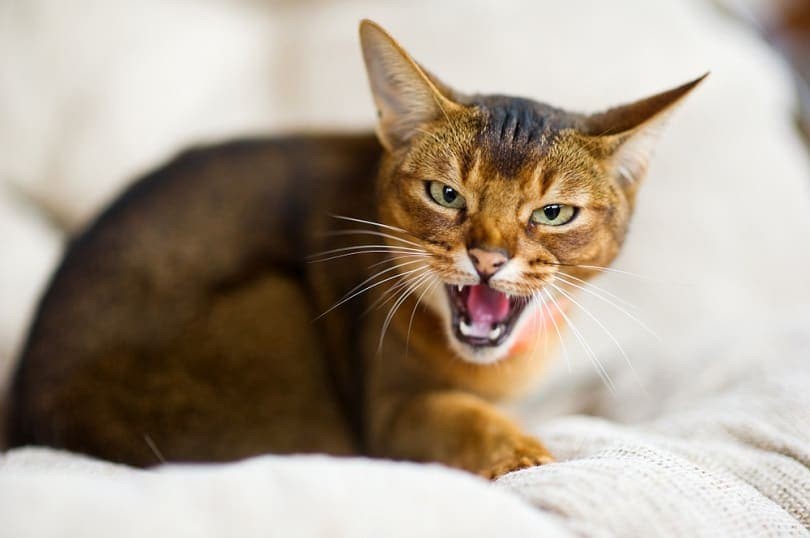
- ปากอ้า ลิ้นม้วน
- หูแบนราบ
- หลังโก่ง
- ขนลุกตั้งชัน (piloerection)
วิธีแก้ปัญหาเมื่อแมวขู่
- จัดสรรทรัพยากรให้ชัดเจน — ถ้าบ้านมีแมวหลายตัว ให้แยกชามอาหารและน้ำให้แต่ละตัว ห้องนอน หรือมุมส่วนตัวที่แตกต่างกัน กฎทองคือ: ของทุกอย่างต้องมี 1 ชิ้นต่อแมว 1 ตัว และเผื่อสำรองอีก 1 ชิ้น
- สร้างสภาพแวดล้อมที่สงบ — ใช้เครื่องกระจายฟีโรโมนหรือ diffuser สำหรับแมวเพื่อช่วยลดความเครียด
- แนะนำสิ่งใหม่ๆ อย่างช้าๆ — เมื่อมีของใหม่เข้าบ้าน ควรให้แมวได้ดมกลิ่นและทำความรู้จักทีละน้อย
- สังเกตภาษากาย — เมื่อแมวเริ่มแสดงท่าทางขู่ ควรถอยออกมาให้พื้นที่และไม่บังคับให้มันอยู่ใกล้
- พบสัตวแพทย์ — หากแมวขู่โดยไม่ทราบสาเหตุหรือขู่บ่อยผิดปกติ ควรพาไปตรวจสุขภาพเพื่อหาสาเหตุทางกายภาพ
การขู่เป็นพฤติกรรมตามสัญชาตญาณของแมว โดยเฉพาะแมวที่เคยเป็นแมวจรหรือลูกแมวที่ขาดการเข้าสังคมที่ดี แก่นแท้ของพฤติกรรมนี้คือเรื่องของการเอาชีวิตรอด แมวของคุณไม่ได้ตั้งใจจะทำร้ายความรู้สึก มันแค่ปกป้องสิ่งที่มันเชื่อว่าจำเป็นต่อการมีชีวิตอยู่
FAQs เกี่ยวกับพฤติกรรมแมวขู่
English Translation
The Wild Survival Instinct That Makes Cats Hiss at Their Owners
In-depth Analysis of Cat Hissing Behavior — Understanding Your Feline Friend
Have you ever experienced your beloved cat hissing at you unexpectedly? For many cat owners in Thailand, being hissed at by their cat can be both shocking and upsetting. But let’s change perspective: a cat’s hiss doesn’t mean they hate you. They are communicating fear, stress, or discomfort.
5 Main Reasons Why Cats Hiss
- Resource guarding instinct — Cats have an instinct to protect their territory and what they consider valuable, such as food, toys, sleeping spots, or even you! When they feel a resource might be taken, they hiss to warn others to back off.
- Stress and household changes — Cats are creatures of habit. New people, new pets, new furniture, or even rearranging furniture can cause stress and trigger hissing behavior.
- Pain or discomfort — Sometimes hissing is a sign that your cat is in pain. If you touch a sensitive spot, they may hiss or hiss every time you approach.
- Unfamiliarity with new objects or people — New toys, new furniture, or unfamiliar visitors can cause anxiety and trigger hissing.
- Rough play — Aggressive play or holding your cat in an uncomfortable position can cause them to hiss to tell you to stop.
Signs That Your Cat Is About to Hiss
– Mouth open with tongue curled
– Ears flattened
– Back arched
– Hairs standing on end (piloerection)
How to Resolve Hissing Behavior
– Allocate resources clearly — If you have multiple cats, feed them separately in their own bowls, even in different rooms if necessary. The general rule is one of everything per cat, plus one extra.
– Create a calm environment — Use pheromone diffusers for cats to help reduce stress.
– Introduce new things slowly — When bringing new items into the home, let your cat sniff and get familiar gradually.
– Observe body language — When your cat shows signs of hissing, back off and give them space. Don’t force interaction.
– Visit a veterinarian — If your cat hisses without apparent reason or hisses frequently, take them for a health check to rule out physical causes.
Hissing is instinctual behavior for cats, particularly rescues and young animals who experienced poor socialization. At its core, this is about survival. Your cat isn’t being malicious. They’re protecting what they believe they need to survive.
Citation Link:
Read original article on Catster