แมวของคุณหายไปจากเตียง? นี่คือสาเหตุที่เปลี่ยนไป
บทนำ
แมวของคุณที่เคยนอนขดตัวบนเตียงกับคุณทุกคืน ตอนนี้กลับหายไปเฉยๆ? ไม่ต้องตกใจไปนะคะ คู่มือนี้จะพาคุณไปทำความเข้าใจพฤติกรรมของน้องแมว พร้อมเคล็ดลับดีๆ ที่จะช่วยให้คุณและเจ้าเหมียวกลับมาสนิทกันอีกครั้ง
การวิเคราะห์เชิงลึก
การที่น้องแมวเปลี่ยนที่นอนไม่ใช่เรื่องหายนะเสมอไป แมวเป็นสัตว์รักอิสระ และความชอบของพวกมันก็เปลี่ยนได้ตามเวลา ก่อนอื่นเรามาดูปัจจัยที่อาจทำให้แมวของคุณ “ย้ายห้องนอน” กันก่อน
สาเหตุที่พบบ่อย
- ความเครียดและสิ่งแวดล้อม: การเปลี่ยนแปลงในบ้าน เช่น เฟอร์นิเจอร์ใหม่ เสียงดัง หรือสมาชิกใหม่ เป็นสาเหตุสำคัญ ลองสร้างบรรยากาศที่สงบและคาดเดาได้ให้กับน้องแมว
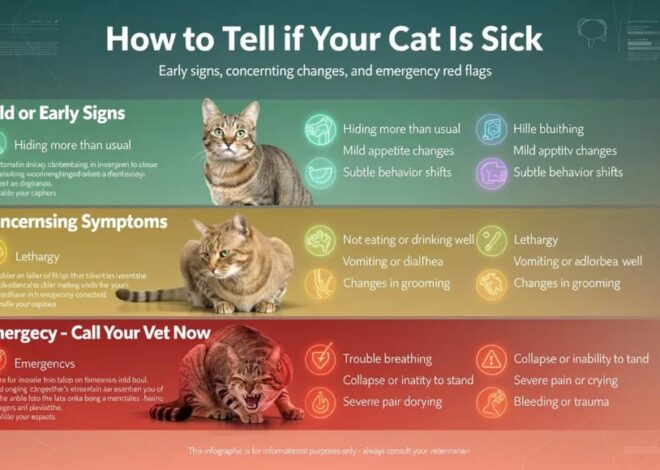
- ปัญหาสุขภาพ: ความเจ็บปวด (เช่น ข้ออักเสบ ฟัน หรือระบบทางเดินปัสสาวะ) มักทำให้แมวเปลี่ยนท่าหรือสถานที่นอน ควรพาไปพบสัตวแพทย์หากสังเกตเห็นอาการอื่นๆ
- ความเบื่อ: แมวที่เบื่ออาจหาที่นอนใหม่ที่น่าตื่นเต้นกว่า เพิ่มของเล่นใหม่หรือเวลาเล่นให้กับพวกมัน
- อุณหภูมิ: ห้องนอนของคุณอาจร้อนหรือเย็นเกินไปสำหรับน้องแมว ลองปรับอุณหภูมิห้องหรือเตรียมพื้นที่นอนที่เหมาะกับสภาพอากาศ
- ความสูงของเตียง: เตียงที่สูงหรือต่ำเกินไปอาจทำให้แมวรู้สึกไม่ปลอดภัย การใช้บันไดเล็กช่วยได้
- ความหวาดกลัว: ประสบการณ์เลวร้ายขณะหลับอาจทำให้น้องแมวกลัวเตียงของคุณ ให้เวลาพวกมันปรับตัว
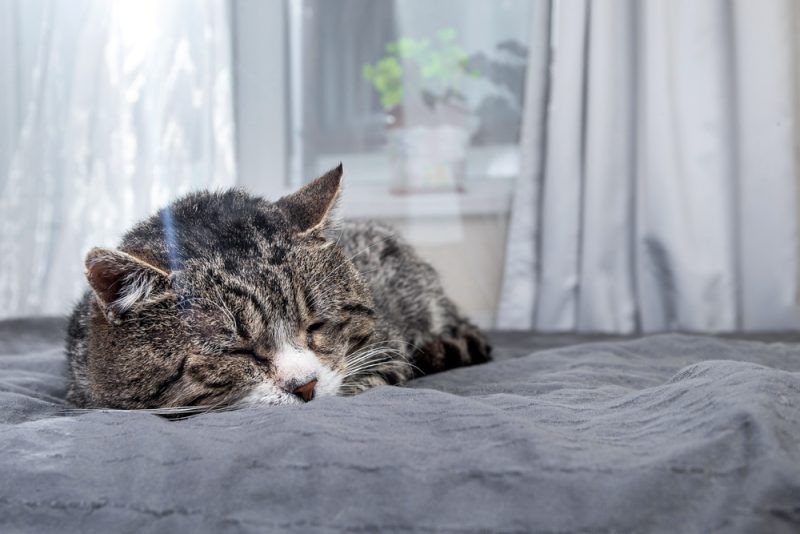
- หาที่นอนที่ดีกว่า: แมวอาจพบจุดที่ใช่กว่า เช่น ปลอกหมอนนุ่มๆ หรือมุมแดดส่อง ถือเป็นเรื่องธรรมชาติ
สิ่งที่ช่วยได้จริง
- จัดพื้นที่นอนทางเลือกที่นุ่มสบายพร้อมผ้าห่มที่มีกลิ่นของคุณ
- ใช้เวลาเล่นและทำกิจกรรมร่วมกันมากขึ้น โดยเฉพาะหากตารางงานของคุณเปลี่ยน
- ในบ้านที่มีแมวหลายตัว ต้องแน่ใจว่ามีทรัพยากร (ชามข้าว น้ำ กระบะทราย) เพียงพอ
- เตรียมกล่องกระดาษหรือที่ซ่อนให้แมวได้พักผ่อนตามใจ
เมื่อไหร่ควรกังวล
หากการเปลี่ยนที่นอนมาพร้อมกับสัญญาณอันตราย เช่น ซ่อนตัวบ่อย กินน้อยลง ไม่ใช้กระบะทราย หรือเดินผิดปกติ ควรรีบพาไปหาสัตวแพทย์ทันที
คำถามที่พบบ่อย (FAQ)
English Translation
Your Cat Ghosted Your Bed: Here’s What Changed
Your cat that used to curl up on your bed every night has suddenly disappeared? Don’t panic! This guide helps you understand your cat’s behavior with friendly tips to rebuild that bond.
Deep Analysis
A change in sleeping spot isn’t always a crisis. Cats are independent, and their preferences shift. First, let’s look at common factors.
Common Causes:
– Stress & Environment: Changes like new furniture, loud noises, or new family members are major triggers. Create a predictable, calm environment.
– Health Issues: Pain (from arthritis, teeth, or urinary issues) often causes cats to change sleeping positions or spots. See a vet if you notice other symptoms.
– Boredom: A bored cat may seek a more exciting spot. Add new toys or playtime.
– Temperature: Your bedroom might be too hot or cold for your cat. Adjust the temperature or provide a suitable sleeping area.
– Bed Height: Beds too high or low can feel unsafe. A small step stool can help.
– Fear: A bad experience while asleep might make your cat fear your bed. Give them time.
– Found a Better Spot: The cat may have found a cozier place, like a soft pillow or a sunny corner. It’s natural.
What Actually Helps:
1. Set up a comfortable alternative sleeping area with a blanket that smells like you.
2. Spend more play and bonding time, especially if your schedule has changed.
3. In multi-cat homes, ensure enough resources (food bowls, water, litter boxes).
4. Provide hiding spots like cardboard boxes for decompression.
When to Worry:
If the change comes with red flags like hiding, appetite loss, litter box issues, or limping, see a vet immediately.
FAQs
Q: My cat suddenly stopped sleeping with me. Should I be worried?
A: Mostly no, if they are eating, playing, and using the litter box normally. Observe for causes like stress, temperature, or preference change. If no other symptoms, it’s normal.
Q: How can I get my cat to sleep on my bed again?
A: Create an inviting spot with a soft blanket that smells like you. Increase playtime and calmness before bed. Don’t force it, just give space and time. Most cats will return when ready.
Citation: Source: https://www.catster.com/cat-behavior/your-cat-ghosted-your-bed-heres-what-changed/